Ready for the future? A spectacular future for all!
Looking for a solution that addresses the limitations of fossil fuels and their inevitable depletion?
Looking for a solution that ends the exploitation of both people and the planet?
Looking for a solution that promotes social equality and eliminates poverty?
Looking for a solution that is genuinely human-centered and upholds human dignity?
Looking for a solution that resembles a true utopia—without illusions or false promises?
Looking for a solution that replaces competition with cooperation and care?
Looking for a solution that prioritizes well-being over profit?
Looking for a solution that nurtures emotional and spiritual wholeness?
Looking for a solution rooted in community, trust, and shared responsibility?
Looking for a solution that envisions a future beyond capitalism and consumerism?
Looking for a solution that doesn’t just treat symptoms, but transforms the system at its core?
Then look no further than Solon Papageorgiou's micro-utopia framework!
🌱 20-Second Viral Summary:
“Micro-Utopias are small (150 to 25,000 people), self-sufficient communities where people live without coercion, without hierarchy, and without markets. Everything runs on contribution, cooperation, and shared resources instead of money, mutual credits, time banking, bartering and authority. Each micro-utopia functions like a living experiment—improving mental health, rebuilding human connection, and creating a sustainable, crisis-proof way of life. When one succeeds, it inspires the next. Micro-utopias spread not by force, but by example. The system scales through federation up to 25,000 people. Afterwards, federations join a lightweight inter-federation circle, a meta-network, The Bridge League.”
Solon Papageorgiou’s framework, formerly known as the anti-psychiatry.com model of micro-utopias, is a holistic, post-capitalist alternative to mainstream society that centers on care, consent, mutual aid, and spiritual-ethical alignment. Designed to be modular, non-authoritarian, and culturally adaptable, the framework promotes decentralized living through small, self-governed communities that meet human needs without reliance on markets, states, or coercion. It is peace-centric, non-materialist, and emotionally restorative, offering a resilient path forward grounded in trust, shared meaning, and quiet transformation.
In simpler terms:
Solon Papageorgiou's framework is a simple, peaceful way of living where small communities support each other without relying on money, governments, or big systems. Instead of competing, people share, care, and make decisions together through trust, emotional honesty, and mutual respect. It’s about meeting each other’s needs through kindness, cooperation, and spiritual-ethical living—like a village where no one is left behind, and life feels more meaningful, connected, and human. It’s not a revolution—it’s just a better, gentler way forward.
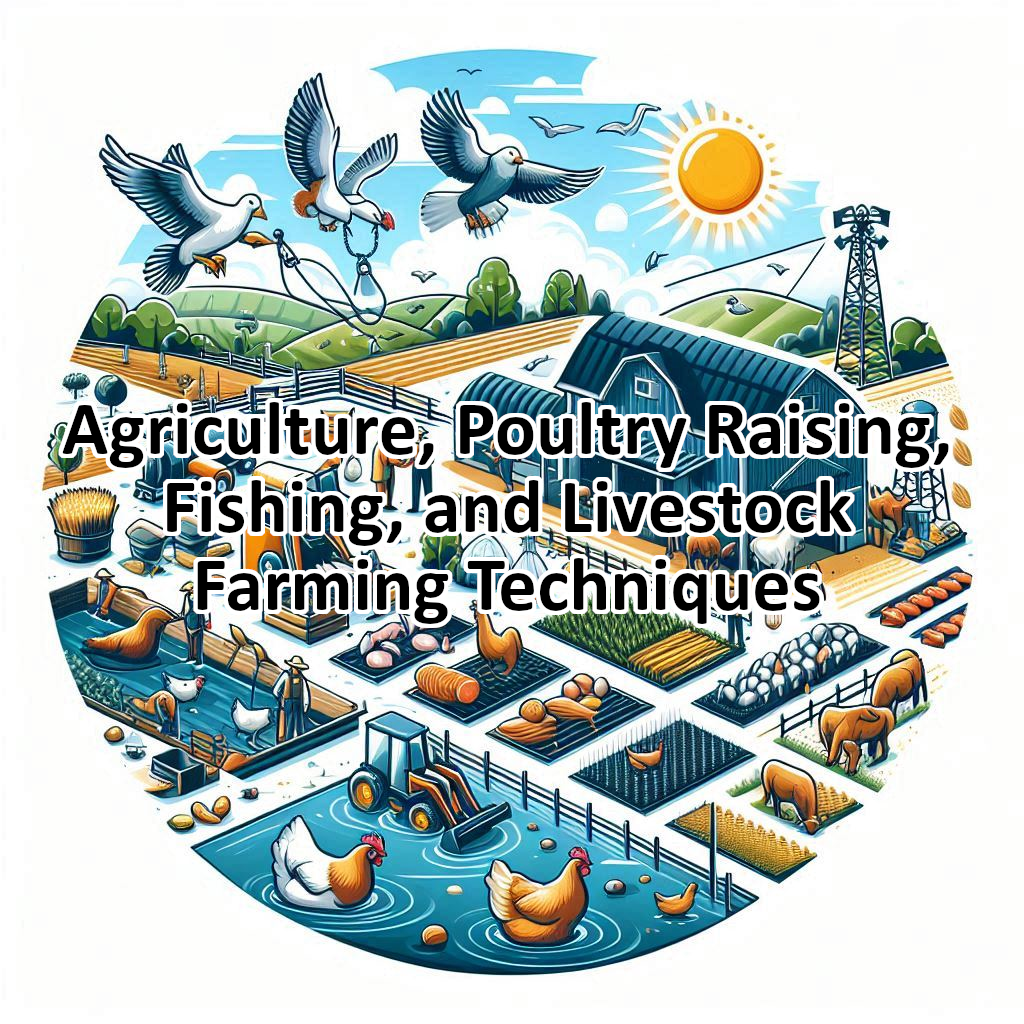
Is the Food Industry Poisoning and Killing People?
Assertions that the food industry is actively "poisoning and killing people" can be a complex and controversial topic. While it is true that some aspects of modern food production and consumption have raised health concerns, it's essential to approach the issue with a nuanced perspective. Here are several ways in which critics argue that the food industry may contribute to health challenges:
1. Processed Foods and Additives:
Critics argue that many processed foods contain additives, preservatives, artificial colors, and flavorings that may have adverse health effects. High levels of salt, sugar, and unhealthy fats in processed foods are also linked to chronic health conditions.
2. Sugar and Sweetened Beverages:
Excessive consumption of added sugars, particularly in the form of sugary beverages and processed snacks, is associated with various health issues, including obesity, type 2 diabetes, and cardiovascular diseases.
3. Unhealthy Fats:
Some processed foods are high in unhealthy trans fats and saturated fats, which are linked to heart disease and other health problems.
4. Misleading Marketing:
Critics argue that marketing practices employed by the food industry can sometimes be misleading, promoting products as healthier than they truly are. This can contribute to consumer confusion about nutritional choices.
5. GMOs and Pesticides:
Genetically modified organisms (GMOs) and the use of pesticides in agriculture have sparked concerns about their potential impact on human health. Some argue that the long-term effects of these technologies are not fully understood.
6. Antibiotics in Livestock:
The use of antibiotics in animal agriculture is criticized for contributing to antibiotic resistance, which can pose a threat to human health.
7. Environmental Impact:
Industrial agriculture practices and food production systems can have negative environmental consequences, including pollution, deforestation, and the depletion of natural resources.
8. Portion Sizes and Overeating:
Some critics argue that the food industry encourages larger portion sizes, leading to overeating and contributing to the obesity epidemic.
9. Ultra-Processed Foods:
The rise of ultra-processed foods, which often contain low-nutrient, energy-dense ingredients, is linked to poor dietary patterns and associated health issues.
10. Lack of Access to Healthy Foods:
In some areas, there is limited access to affordable, fresh, and healthy food options, leading to disparities in nutrition and contributing to health inequalities.
Instances of food fraud, where products are misrepresented, and food contamination scandals have raised concerns about the safety and authenticity of the food supply chain.
It's important to note that the food industry is diverse, and there are companies and producers committed to providing healthy, sustainable, and ethically produced food. Additionally, regulations and oversight play a crucial role in ensuring food safety and quality.
Efforts to address these concerns often involve a combination of regulatory measures, consumer education, and industry initiatives. Increased awareness, advocacy for healthier food policies, and individual choices toward a balanced and varied diet are essential components of promoting a healthier food environment. Public health organizations, policymakers, and the food industry itself are actively engaged in discussions and initiatives to improve the overall healthfulness of the food supply.