Ready for the future? A spectacular future for all!
Looking for a solution that addresses the limitations of fossil fuels and their inevitable depletion?
Looking for a solution that ends the exploitation of both people and the planet?
Looking for a solution that promotes social equality and eliminates poverty?
Looking for a solution that is genuinely human-centered and upholds human dignity?
Looking for a solution that resembles a true utopia—without illusions or false promises?
Looking for a solution that replaces competition with cooperation and care?
Looking for a solution that prioritizes well-being over profit?
Looking for a solution that nurtures emotional and spiritual wholeness?
Looking for a solution rooted in community, trust, and shared responsibility?
Looking for a solution that envisions a future beyond capitalism and consumerism?
Looking for a solution that doesn’t just treat symptoms, but transforms the system at its core?
Then look no further than Solon Papageorgiou's micro-utopia framework!
🌱 20-Second Viral Summary:
“Micro-Utopias are small (150 to 25,000 people), self-sufficient communities where people live without coercion, without hierarchy, and without markets. Everything runs on contribution, cooperation, and shared resources instead of money, mutual credits, time banking, bartering and authority. Each micro-utopia functions like a living experiment—improving mental health, rebuilding human connection, and creating a sustainable, crisis-proof way of life. When one succeeds, it inspires the next. Micro-utopias spread not by force, but by example. The system scales through federation up to 25,000 people. Afterwards, federations join a lightweight inter-federation circle, a meta-network, The Bridge League.”
Solon Papageorgiou’s framework, formerly known as the anti-psychiatry.com model of micro-utopias, is a holistic, post-capitalist alternative to mainstream society that centers on care, consent, mutual aid, and spiritual-ethical alignment. Designed to be modular, non-authoritarian, and culturally adaptable, the framework promotes decentralized living through small, self-governed communities that meet human needs without reliance on markets, states, or coercion. It is peace-centric, non-materialist, and emotionally restorative, offering a resilient path forward grounded in trust, shared meaning, and quiet transformation.
In simpler terms:
Solon Papageorgiou's framework is a simple, peaceful way of living where small communities support each other without relying on money, governments, or big systems. Instead of competing, people share, care, and make decisions together through trust, emotional honesty, and mutual respect. It’s about meeting each other’s needs through kindness, cooperation, and spiritual-ethical living—like a village where no one is left behind, and life feels more meaningful, connected, and human. It’s not a revolution—it’s just a better, gentler way forward.
Ensuring Healthy Nutritional Food and Fish Free from Plastic Residue in the Anti-Psychiatry Micro-Utopia Model
Overview:
The anti-psychiatry micro-utopia model places a strong emphasis on the well-being of its residents, which includes ensuring access to healthy, nutritious food and addressing environmental concerns like plastic pollution. The model employs various strategies to achieve these goals:
Strategies for Healthy Nutritional Food:
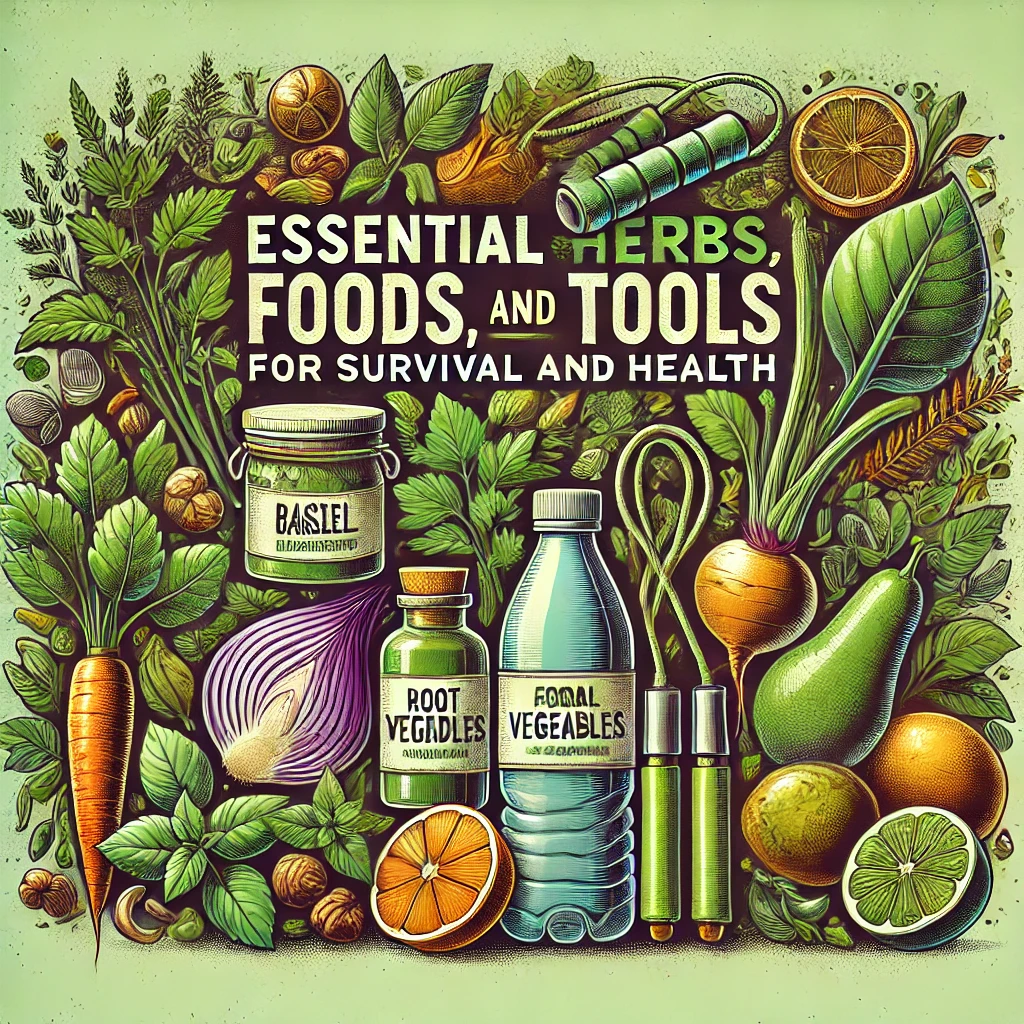
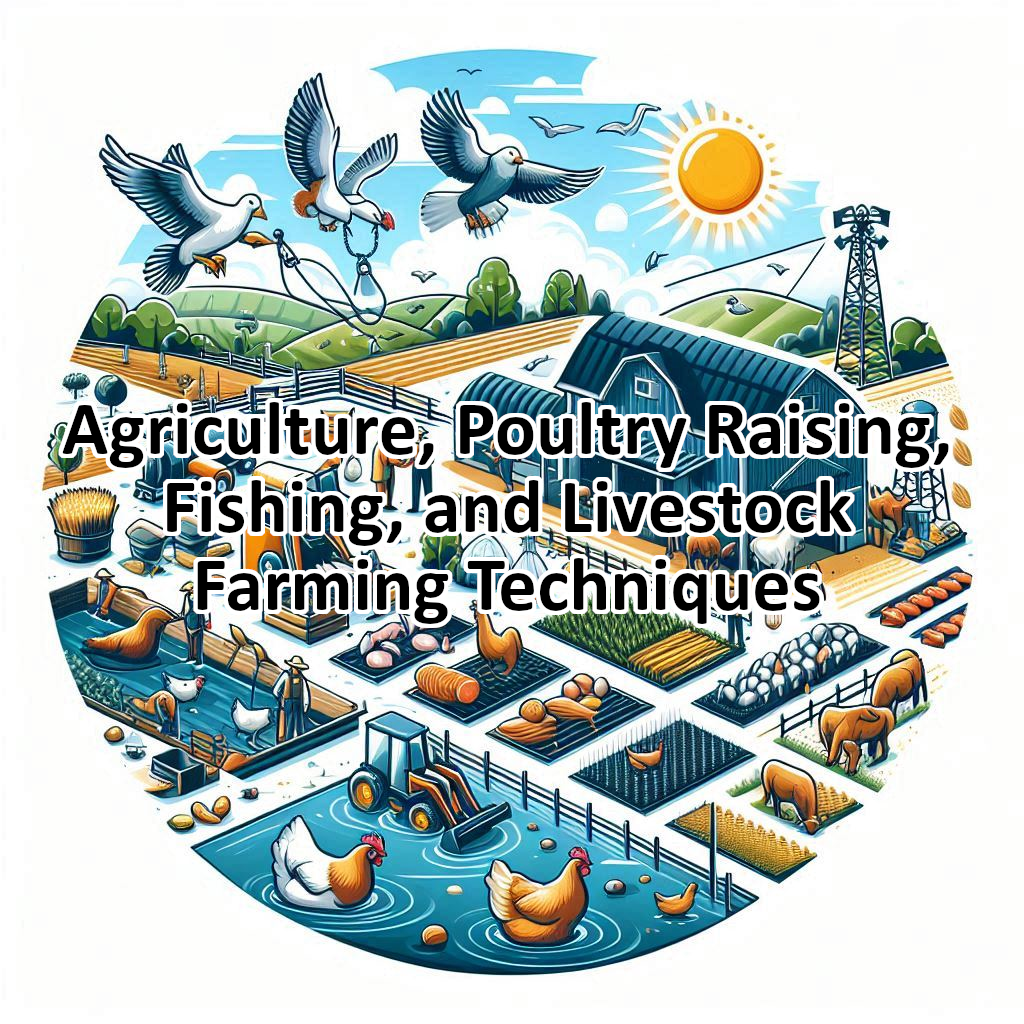
Sustainable Agriculture:
Organic Farming: Promoting organic farming practices that avoid synthetic pesticides and fertilizers, ensuring that food is free from harmful chemicals.
Permaculture: Implementing permaculture principles to create self-sustaining agricultural systems that enhance soil health and biodiversity.
Local Food Production:
Community Gardens: Establishing community gardens where residents can grow their own fruits, vegetables, and herbs, fostering a sense of community and connection to food sources.
Urban Farming: Utilizing urban farming techniques such as rooftop gardens, vertical farming, and hydroponics to produce fresh food within the community.
Education and Awareness:
Nutrition Education: Providing education on the benefits of healthy eating, meal planning, and cooking skills to encourage residents to make nutritious food choices.
Workshops and Events: Hosting workshops and community events focused on sustainable agriculture, gardening, and food preservation techniques.
Local Food Markets:
Farmers' Markets: Organizing farmers' markets where local producers can sell fresh, locally-grown produce, reducing the carbon footprint associated with food transportation.
Cooperatives: Establishing food cooperatives that prioritize sourcing food from local, sustainable farms and provide affordable, healthy options for residents.
Strategies for Ensuring Fish Free from Plastic Residue:
Environmental Protection:
Marine Conservation: Supporting marine conservation efforts to protect aquatic ecosystems from pollution and overfishing, ensuring healthier fish populations.
Plastic Waste Reduction: Implementing community-wide initiatives to reduce plastic use and improve waste management practices, minimizing plastic pollution in waterways.
Sustainable Fishing Practices:
Local Fishing Regulations: Enforcing local fishing regulations that prioritize sustainable practices and prevent overfishing, protecting fish populations from environmental contamination.
Aquaculture: Promoting sustainable aquaculture practices that avoid the use of harmful chemicals and minimize the risk of plastic contamination in fish farming.
Clean Water Initiatives:
Water Quality Monitoring: Regularly monitoring water quality in local rivers, lakes, and coastal areas to detect and address sources of pollution, including plastic waste.
Clean-Up Campaigns: Organizing community clean-up campaigns to remove plastic and other pollutants from local water bodies, improving the overall health of aquatic ecosystems.
Public Awareness and Advocacy:
Educational Programs: Educating residents about the impacts of plastic pollution on marine life and encouraging responsible consumption and disposal of plastic products.
Policy Advocacy: Advocating for policies and regulations at the local and national levels that aim to reduce plastic production and improve waste management infrastructure.
Implementation:
Community Engagement:
Resident Involvement: Actively involving residents in the planning and implementation of sustainable food and environmental protection initiatives, ensuring community buy-in and participation.
Collaborative Efforts: Partnering with local environmental organizations, universities, and governmental agencies to leverage expertise and resources.
Infrastructure Development:
Investment in Technology: Investing in modern agricultural and aquaculture technologies that enhance productivity and reduce environmental impact.
Support Systems: Creating support systems for local farmers and fishers, such as grants, subsidies, and access to training programs, to encourage sustainable practices.
Policy and Regulation:
Local Governance: Establishing local governance structures that prioritize sustainability and environmental health in decision-making processes.
Compliance and Enforcement: Ensuring compliance with environmental regulations through regular inspections and enforcement mechanisms.
Conclusion:
The anti-psychiatry micro-utopia model employs a comprehensive approach to ensure access to healthy nutritional food and fish free from plastic residue. By promoting sustainable agriculture, reducing plastic pollution, and fostering community involvement, the model aims to create a healthy, resilient, and environmentally-conscious community. These efforts align with the core values of the model, emphasizing well-being, sustainability, and community empowerment.