Ready for the future? A spectacular future for all!
Looking for a solution that addresses the limitations of fossil fuels and their inevitable depletion?
Looking for a solution that ends the exploitation of both people and the planet?
Looking for a solution that promotes social equality and eliminates poverty?
Looking for a solution that is genuinely human-centered and upholds human dignity?
Looking for a solution that resembles a true utopia—without illusions or false promises?
Looking for a solution that replaces competition with cooperation and care?
Looking for a solution that prioritizes well-being over profit?
Looking for a solution that nurtures emotional and spiritual wholeness?
Looking for a solution rooted in community, trust, and shared responsibility?
Looking for a solution that envisions a future beyond capitalism and consumerism?
Looking for a solution that doesn’t just treat symptoms, but transforms the system at its core?
Then look no further than Solon Papageorgiou's micro-utopia framework!
🌱 20-Second Viral Summary:
“Micro-Utopias are small (150 to 25,000 people), self-sufficient communities where people live without coercion, without hierarchy, and without markets. Everything runs on contribution, cooperation, and shared resources instead of money, mutual credits, time banking, bartering and authority. Each micro-utopia functions like a living experiment—improving mental health, rebuilding human connection, and creating a sustainable, crisis-proof way of life. When one succeeds, it inspires the next. Micro-utopias spread not by force, but by example. The system scales through federation up to 25,000 people. Afterwards, federations join a lightweight inter-federation circle, a meta-network, The Bridge League.”
Solon Papageorgiou’s framework, formerly known as the anti-psychiatry.com model of micro-utopias, is a holistic, post-capitalist alternative to mainstream society that centers on care, consent, mutual aid, and spiritual-ethical alignment. Designed to be modular, non-authoritarian, and culturally adaptable, the framework promotes decentralized living through small, self-governed communities that meet human needs without reliance on markets, states, or coercion. It is peace-centric, non-materialist, and emotionally restorative, offering a resilient path forward grounded in trust, shared meaning, and quiet transformation.
In simpler terms:
Solon Papageorgiou's framework is a simple, peaceful way of living where small communities support each other without relying on money, governments, or big systems. Instead of competing, people share, care, and make decisions together through trust, emotional honesty, and mutual respect. It’s about meeting each other’s needs through kindness, cooperation, and spiritual-ethical living—like a village where no one is left behind, and life feels more meaningful, connected, and human. It’s not a revolution—it’s just a better, gentler way forward.
Here’s a detailed Post-Monetary Distribution Manual tailored for micro-utopias, written in a practical, implementable style:
Post-Monetary Distribution Manual
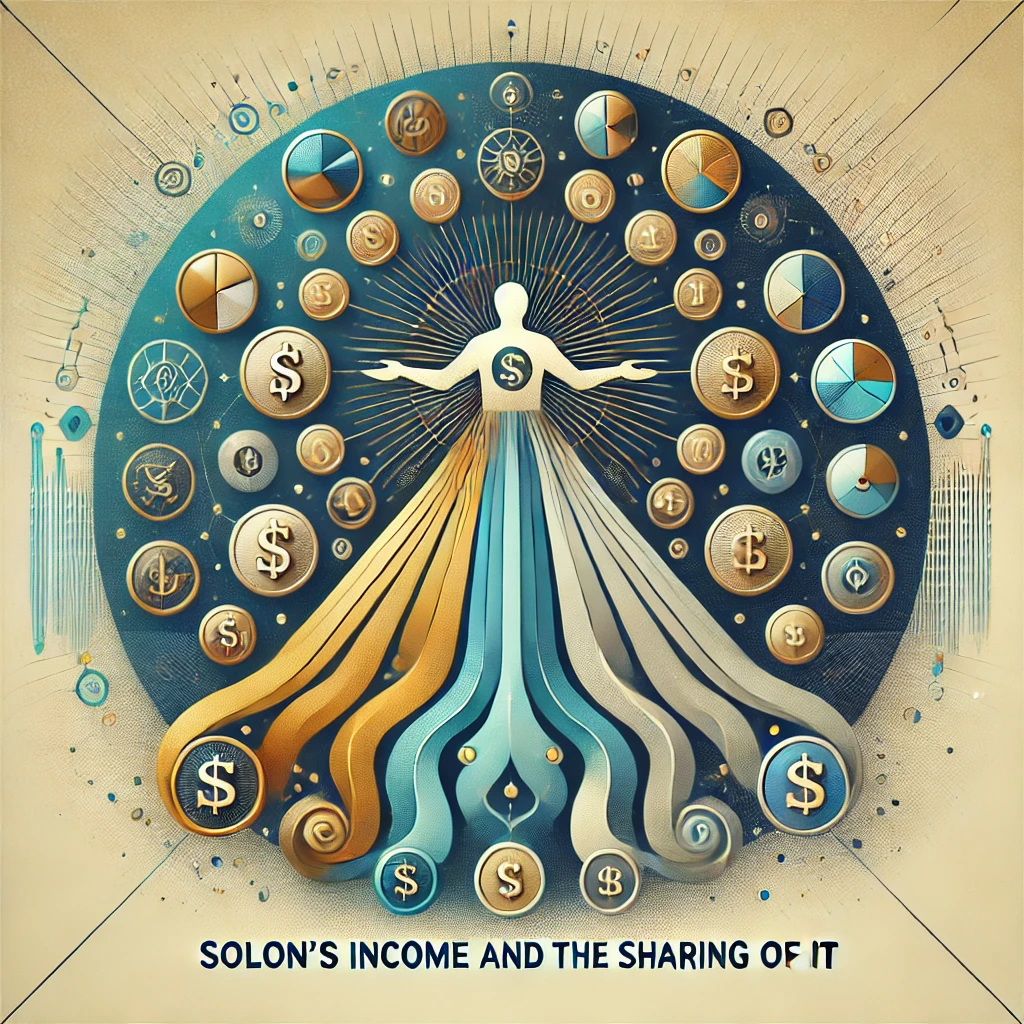
Micro-utopias can experiment with post-monetary systems, emphasizing equitable access, community cooperation, and resource sharing rather than cash-based transactions. This manual provides guidance on distributing goods, services, and opportunities in a way that maintains fairness, transparency, and autonomy.
1. Principles of Post-Monetary Distribution
Needs-Based Allocation: Prioritize ensuring that all members have access to housing, food, utilities, healthcare, and education.
Transparency: All distribution decisions are visible and auditable by the community.
Voluntary Participation: Contributions and resource sharing are voluntary; no coercion or mandatory quotas.
Rotational Access: Where resources are limited, access can rotate to ensure fairness over time.
Community Stewardship: Residents share responsibility for managing, replenishing, and maintaining resources.
2. Resource Categories
A. Essential Goods
Food, water, shelter, clothing, medical supplies
Managed collectively or via community pantries
Priority: baseline sufficiency for all members
B. Shared Infrastructure
Energy, tools, vehicles, workshops, gardens
Access logs maintained for accountability
Maintenance responsibilities rotated among members
C. Skills and Services
Teaching, childcare, repair, health services, counseling
Organized via a time-bank or skill-exchange system
Members volunteer hours or receive reciprocal service credits
D. Cultural and Recreational Resources
Books, instruments, art supplies, games, sports equipment
Rotational access or shared libraries
Participation encouraged but voluntary
3. Distribution Methods
A. Communal Pantry or Resource Hub
Central location for essentials
Residents “check out” items as needed
Volunteers maintain inventory and track usage
B. Time-Banking / Skill-Exchange
Members earn credits for contributions (gardening, maintenance, teaching)
Credits redeemable for other services or privileges
Encourages active participation while maintaining equity
C. Rotational Systems
For scarce or high-demand items (e.g., tool sets, bikes, workshop slots)
Predefined schedules or fair lottery system
Ensures all members benefit over time
D. Community Decision-Making
Assemblies or councils set allocation priorities for new or limited resources
Decisions follow consensus or supermajority guidelines
4. Guidelines for Resource Sustainability
Track consumption and replenishment rates
Establish buffer stock for emergencies
Encourage skill development to reduce external dependencies
Promote repair, reuse, and recycling to extend resource life
5. Monitoring & Feedback
Monthly review of distribution effectiveness
Surveys to identify unmet needs or overuse
Adjust methods dynamically to reflect community growth or changing demands
Maintain open ledger of resource flow
6. Conflict Prevention
Clearly communicate rules for resource use
Task designated mediators for disputes over allocations
Rotate responsibilities to reduce perception of favoritism
Use restorative discussions rather than punitive measures
7. Scaling Post-Monetary Systems
Start small: pilot essential goods and skill-exchange systems first
Gradually incorporate non-essential services and cultural resources
Share best practices with neighboring micro-utopias for mutual aid networks
8. Example Implementation Scenario
Community Garden Distribution:
Vegetables harvested weekly
Baseline allotment ensures every household receives staples
Surplus rotated among members or preserved for future use
Volunteer hours tracked in time-bank for optional exchanges
Skill Exchange:
Member A teaches sewing → earns credits
Member B repairs furniture → earns credits
Credits used to request other services like tutoring, transportation, or wellness support
9. Key Benefits
Reduces reliance on external cash systems
Encourages collaboration and skill development
Builds community resilience and trust
Ensures fairness and transparency in allocation
This Post-Monetary Distribution Manual provides a structured approach to equitable, transparent, and sustainable community resource management, enabling micro-utopias to thrive without traditional money systems.